Spruce Up Your Front Yard with Water-Wise Landscaping!
In today’s world, it is more important than ever to be conscious of our water usage and to find ways to conserve this precious resource. One of the best ways to do this is by implementing water-wise landscaping in your front yard. Not only will this help you save on your water bill, but it will also contribute to the overall health of the environment.
So, how can you spruce up your front yard with water-wise landscaping? There are many creative and innovative ideas that you can implement to achieve a beautiful and sustainable outdoor space. One idea is to replace your traditional grass lawn with drought-tolerant plants and native species. Not only will this reduce your water usage, but it will also attract local wildlife and create a vibrant ecosystem in your front yard.
Another water-saving landscaping idea is to install a rainwater harvesting system. This system collects rainwater from your roof and stores it in barrels or tanks for later use in watering your plants. Not only is this a great way to save water, but it also reduces runoff and erosion in your yard.
Adding mulch to your front yard is another simple yet effective way to conserve water. Mulch helps to retain moisture in the soil, reduce evaporation, and suppress weed growth. Plus, it adds a decorative element to your landscaping and helps to create a cohesive and polished look.
Incorporating a drip irrigation system into your front yard landscaping is also a great way to save water. Drip irrigation delivers water directly to the roots of your plants, minimizing evaporation and runoff. It is a highly efficient and targeted watering method that can help you conserve water while keeping your plants healthy and thriving.
One of the most important aspects of water-wise landscaping is proper plant selection. By choosing drought-tolerant plants that are well-suited to your climate and soil conditions, you can create a beautiful and sustainable front yard that requires minimal water. Some examples of drought-tolerant plants include lavender, succulents, yarrow, and Russian sage.
In addition to choosing the right plants, it is also important to group plants with similar water needs together in your front yard. This will help you optimize your watering schedule and ensure that each plant receives the appropriate amount of water. By grouping plants strategically, you can create a more efficient and effective watering system that conserves water and promotes plant health.
Overall, there are countless ways to spruce up your front yard with water-wise landscaping. By incorporating these ideas into your outdoor space, you can create a beautiful, sustainable, and eco-friendly landscape that will benefit both you and the environment. So why not get started today and transform your front yard into a water-saving oasis that you can enjoy for years to come?
Transform Your Outdoor Space into a Drought-Friendly Oasis!
Are you tired of watching your front yard turn into a dry, brown wasteland during the hot summer months? Do you cringe every time you see your water bill skyrocket because of all the irrigation needed to keep your lawn alive? It’s time to take action and transform your outdoor space into a drought-friendly oasis that not only looks beautiful but also saves water and money.
One of the first steps in greening the scene of your front yard is to rethink traditional landscaping practices. Instead of focusing on lush green lawns that require constant watering, consider replacing some of that turf with drought-tolerant plants and native species. These plants are adapted to the local climate and soil conditions, making them much more resilient to drought and reducing the need for irrigation.
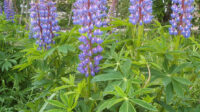
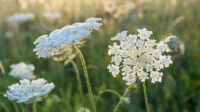
When choosing plants for your water-saving landscape, look for species that are well-suited to your region and require minimal water once established. Succulents, such as agave and cacti, are excellent choices for dry climates as they store water in their leaves and require very little additional irrigation. Native grasses and wildflowers are also great options for creating a low-maintenance, water-wise garden that attracts pollinators and wildlife.
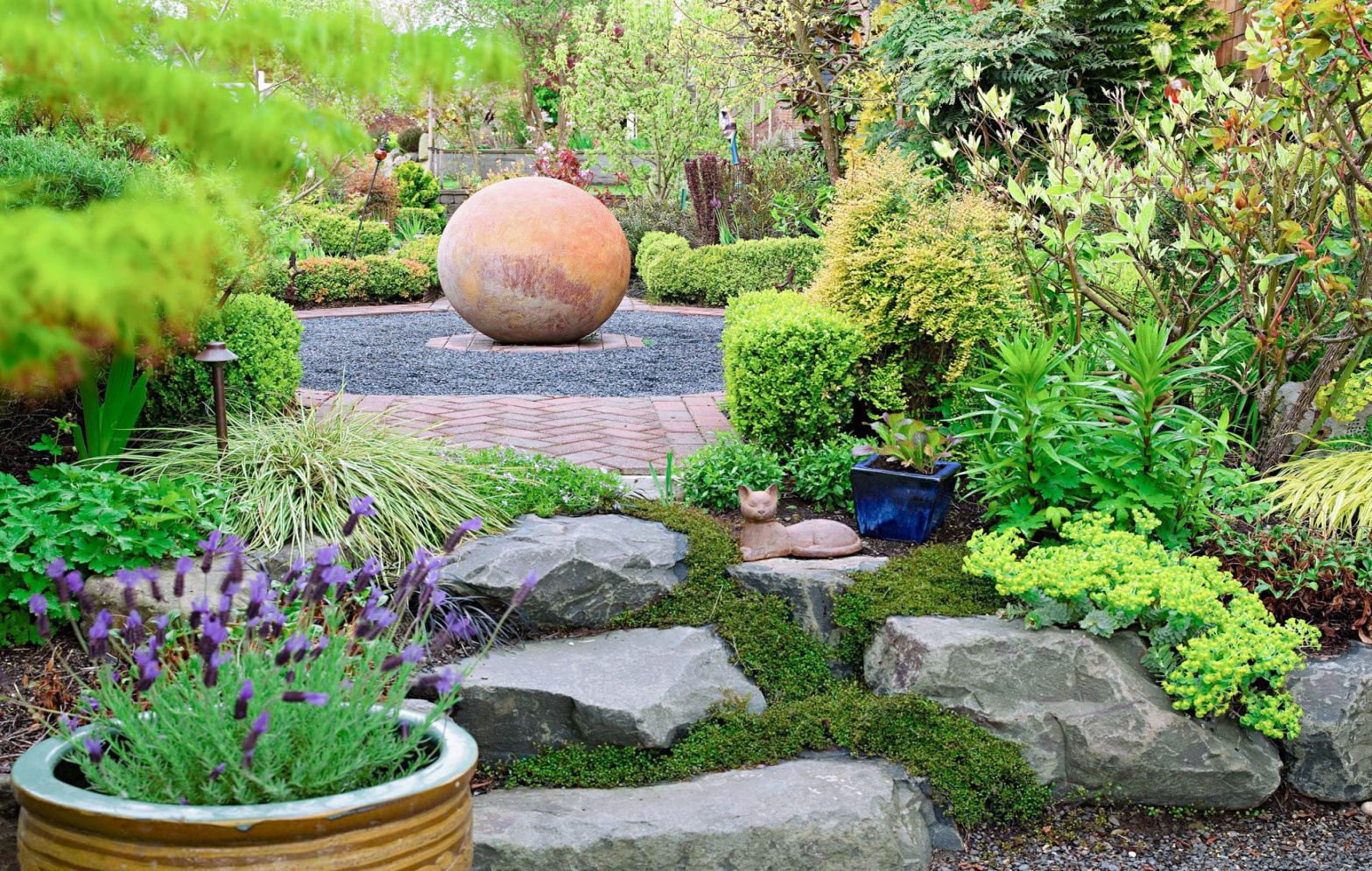
In addition to choosing the right plants, consider incorporating hardscaping elements into your front yard design. Paved pathways, gravel beds, and decorative rocks not only add visual interest to your landscape but also help reduce the amount of water needed for irrigation. By minimizing the amount of turf in your outdoor space and maximizing hardscaping features, you can create a beautiful and functional garden that requires less water to maintain.
Another important aspect of creating a drought-friendly oasis in your front yard is to optimize your irrigation system. Consider installing a drip irrigation system that delivers water directly to the roots of your plants, minimizing runoff and evaporation. This type of system is much more efficient than traditional sprinklers and can help you save water and money in the long run.
In addition to efficient irrigation, consider capturing rainwater to supplement your watering needs. Rain barrels and cisterns can collect rainwater from your roof, which can then be used to irrigate your garden during dry spells. This not only reduces your dependence on municipal water sources but also helps to prevent runoff and erosion in your yard.
As you work to transform your outdoor space into a drought-friendly oasis, don’t forget to mulch. Mulching your garden beds helps to retain moisture in the soil, suppress weeds, and regulate soil temperature. Organic mulches, such as wood chips, bark, or compost, are excellent choices for water-saving landscapes as they break down over time and improve soil quality.
In conclusion, by rethinking traditional landscaping practices, choosing drought-tolerant plants, incorporating hardscaping elements, optimizing your irrigation system, capturing rainwater, and mulching your garden beds, you can transform your front yard into a drought-friendly oasis that not only looks beautiful but also saves water and money. So roll up your sleeves, grab your gardening gloves, and get ready to green the scene of your outdoor space!