Dive into the World of Hemianthus Callitrichoides
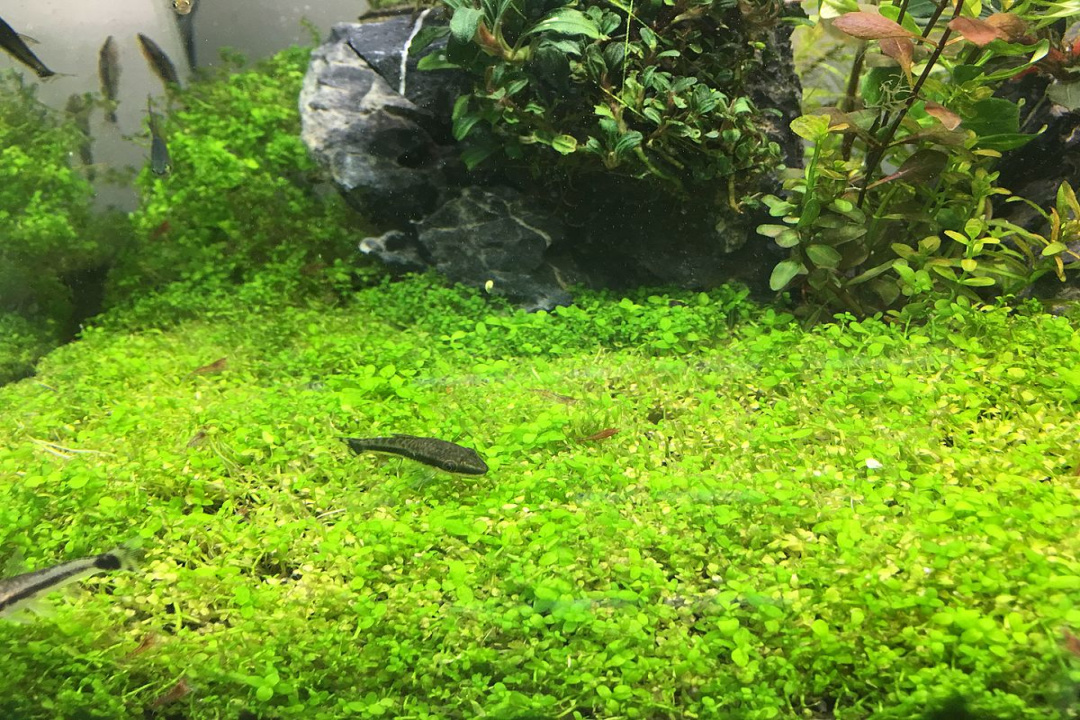
Welcome to the enchanting world of Hemianthus Callitrichoides, a delicate and beautiful aquatic plant that is sure to add a touch of elegance to any aquarium. Commonly known as HC or dwarf baby tears, this plant is a favorite among aquarists for its lush green color and intricate texture.
Native to Cuba, Hemianthus Callitrichoides thrives in tropical climates and is often found growing in shallow, nutrient-rich waters. Its tiny leaves and creeping growth habit make it an ideal choice for creating lush carpets in your aquarium, and with the right care and attention, you can enjoy a stunning underwater landscape filled with vibrant greenery.
To successfully grow and care for Hemianthus Callitrichoides, there are a few key factors to consider. First and foremost, lighting is crucial for the health and growth of this plant. Providing bright, consistent lighting will ensure that your Hemianthus Callitrichoides receives the energy it needs to thrive and spread across the substrate.
In addition to proper lighting, carbon dioxide (CO2) supplementation is highly recommended for Hemianthus Callitrichoides. CO2 injection will promote healthy growth and help prevent algae from taking over your aquarium. It is important to monitor CO2 levels regularly and make adjustments as needed to keep your Hemianthus Callitrichoides happy and healthy.
When it comes to substrate, Hemianthus Callitrichoides prefers nutrient-rich soil that is fine-grained and free of large particles. A nutrient-rich substrate will provide the essential nutrients that this plant needs to grow and spread, creating a lush carpet of greenery in your aquarium.
Regular fertilization is also important for the health of Hemianthus Callitrichoides. Liquid fertilizers or root tabs can be used to supplement the nutrients in the water column and substrate, ensuring that your plants have everything they need to thrive.
Water quality is another key factor to consider when caring for Hemianthus Callitrichoides. This plant prefers slightly acidic to neutral water with a pH between 6.0 and 7.0. Regular water changes and monitoring of water parameters will help ensure that your plants remain healthy and vibrant.
In addition to proper care and maintenance, trimming is an important aspect of caring for Hemianthus Callitrichoides. Regularly trimming the plant will help encourage new growth and prevent it from becoming overgrown and sparse. By trimming the plant regularly, you can create a dense and lush carpet that will enhance the beauty of your aquarium.
Overall, Hemianthus Callitrichoides is a stunning and versatile plant that is sure to add a touch of beauty to any aquarium. With the right care and attention to lighting, CO2 supplementation, substrate, fertilization, water quality, and trimming, you can enjoy a thriving carpet of lush greenery that will transform your aquarium into a peaceful and serene underwater oasis. So dive into the world of Hemianthus Callitrichoides and explore the beauty of this aquatic plant for yourself.
Unlock the Secrets to Thriving with this Aquatic Beauty
When it comes to aquatic plants, Hemianthus Callitrichoides is truly a gem worth exploring. This delicate plant, also known as HC or Baby Tears, is a popular choice among aquarists for its vibrant green color and lush carpet-like growth. In this guide, we will delve into the secrets of growing and caring for this aquatic beauty to help you create a stunning underwater landscape.
One of the key secrets to thriving with Hemianthus Callitrichoides is providing the right conditions for its growth. This plant thrives in a well-lit aquarium with high levels of CO2 and nutrient-rich substrate. It is important to ensure that the lighting in your tank is sufficient to support photosynthesis, as this will help the plant maintain its vibrant green color and healthy growth.
In addition to lighting, CO2 supplementation is essential for the healthy growth of Hemianthus Callitrichoides. CO2 is a vital nutrient for plants, and providing it in abundance will help your HC thrive and outcompete algae. There are various ways to introduce CO2 into your aquarium, such as using a CO2 diffuser or injection system. Whichever method you choose, be sure to monitor CO2 levels regularly to ensure that they remain within the optimal range for plant growth.
Another secret to success with Hemianthus Callitrichoides is choosing the right substrate. This plant prefers a nutrient-rich substrate that will provide it with the essential minerals it needs to grow. A fine-grained substrate, such as aquasoil or sand, is ideal for HC as it allows the plant’s delicate roots to spread and anchor securely. Adding a layer of nutrient-rich substrate will also help promote healthy growth and prevent nutrient deficiencies.
Regular pruning is another key aspect of caring for Hemianthus Callitrichoides. This plant has a fast growth rate and can quickly become overgrown if not trimmed regularly. To maintain a neat and healthy appearance, it is important to trim the plant regularly to prevent it from overshadowing other plants in your aquarium. You can use scissors or aquascaping tools to trim the plant to your desired height and shape.
Proper water parameters are essential for the health and well-being of Hemianthus Callitrichoides. This plant thrives in a slightly acidic to neutral pH range of 6.0-7.5 and a temperature range of 68-82°F (20-28°C). It is important to regularly test your water parameters and make any necessary adjustments to ensure that they remain within the optimal range for plant growth. Maintaining stable water parameters will help prevent stress and promote healthy growth in your HC.
In conclusion, Hemianthus Callitrichoides is a stunning aquatic plant that can add beauty and vibrancy to any aquarium. By unlocking the secrets to thriving with this aquatic beauty, you can create a lush carpet of greenery that will transform your underwater landscape. With the right conditions, proper care, and a little bit of patience, you can enjoy the beauty of Hemianthus Callitrichoides in your own aquarium.