Unveiling the Truth: Cornus Controversa Myths Exposed!
The Cornus Controversa, also known as the Wedding Cake Tree or the Variegated Dogwood, is a stunning ornamental tree that has sparked quite a bit of controversy and myths over the years. Despite its beauty and unique appearance, there are several misconceptions surrounding this tree that need to be debunked.
One of the most common myths about the Cornus Controversa is that it is a difficult tree to grow and maintain. Many gardeners believe that this tree requires a lot of care and attention, but the truth is that it is actually quite easy to grow. As long as you provide it with the right amount of sunlight, water, and fertilizer, the Cornus Controversa will thrive in your garden.
Another myth surrounding this tree is that it is invasive and will take over your yard. While it is true that the Cornus Controversa can spread through its seeds, it is not considered to be invasive in most regions. In fact, many gardeners appreciate the self-seeding nature of this tree, as it can create a beautiful naturalized look in their gardens.
Some people also believe that the Cornus Controversa is toxic to pets and children. While it is true that the bark and leaves of this tree contain toxins that can be harmful if ingested in large quantities, the risk of poisoning is very low. As long as you keep an eye on your pets and children and discourage them from eating the bark or leaves, there is no need to worry about any toxicity issues.
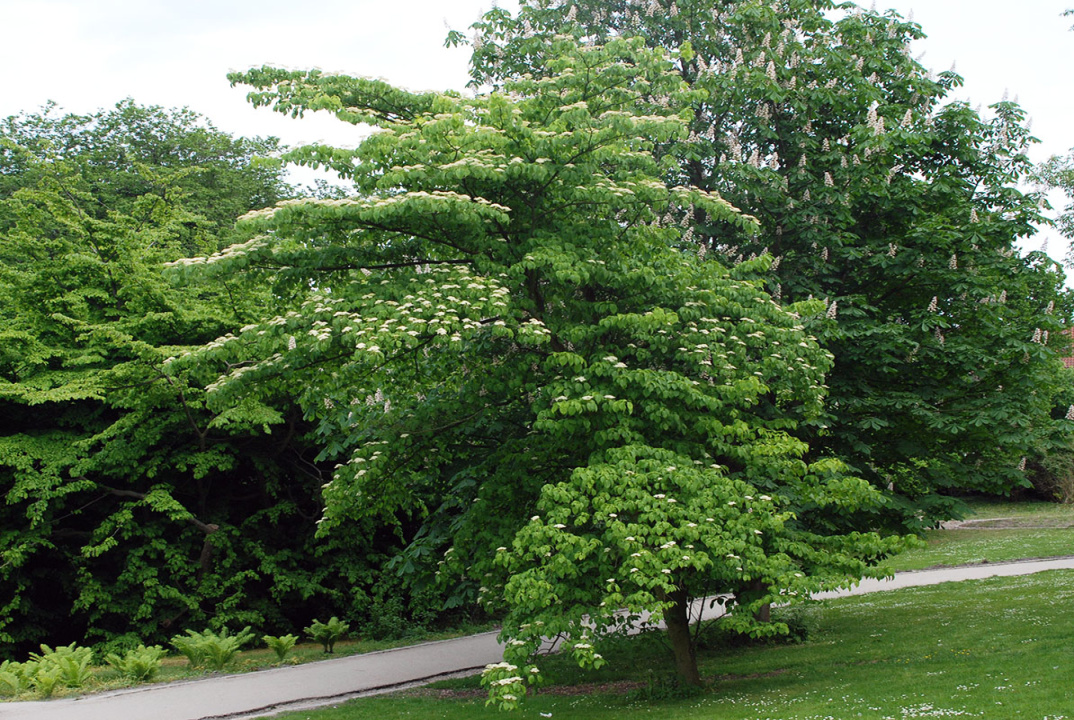
Despite these myths, the Cornus Controversa is a truly stunning tree that deserves to be celebrated for its unique beauty. With its distinctive tiered branches and variegated leaves, this tree adds a touch of elegance and charm to any garden or landscape. The creamy white flowers that bloom in the spring are a sight to behold, attracting bees and other pollinators to your garden.
In the fall, the leaves of the Cornus Controversa turn a beautiful shade of red, adding a pop of color to your outdoor space. The berries that follow are a favorite food source for birds, making this tree not only a visual delight but also a valuable addition to your garden ecosystem.
One of the best things about the Cornus Controversa is its versatility. Whether you have a small urban garden or a sprawling rural estate, this tree can adapt to a variety of growing conditions. It can thrive in full sun or partial shade, and it is tolerant of a wide range of soil types.
If you are thinking about adding a Cornus Controversa to your garden, there are a few things to keep in mind. Make sure to plant it in a location where it will have enough room to spread out, as this tree can grow quite large. Pruning is also important to maintain its shape and health, so be prepared to trim it back occasionally.
In conclusion, the Cornus Controversa is a truly remarkable tree that deserves to be celebrated for its beauty and resilience. Despite the myths and controversies that surround it, this tree is a valuable addition to any garden or landscape. So go ahead, plant a Cornus Controversa in your garden and enjoy the beauty it brings year-round.
Embracing the Unique Beauty of Cornus Controversa
Cornus Controversa, also known as the Wedding Cake Tree or the Giant Dogwood, is a stunning ornamental tree that often stirs up controversy among gardeners and horticulturists. Despite its name, which implies controversy, this tree is a true gem in the world of landscaping and gardening. Let’s explore the unique beauty of Cornus Controversa and debunk some of the myths surrounding this majestic tree.
One of the most striking features of Cornus Controversa is its tiered branches, which give it the appearance of a wedding cake. This distinctive growth habit makes it a standout in any landscape, drawing the eye and adding a touch of elegance and charm. The branches are covered in lush green leaves during the spring and summer months, turning a beautiful golden hue in the fall, creating a stunning display of color throughout the seasons.
Contrary to popular belief, Cornus Controversa is not a difficult tree to grow. It thrives in well-drained soil and prefers a sunny to partially shady location. With proper care and maintenance, this tree can be a showstopper in any garden or landscape design. It is important to note that Cornus Controversa does require regular pruning to maintain its shape and structure, but this should not deter you from planting this beauty in your yard.
In terms of size, Cornus Controversa can reach heights of up to 30 feet, making it a great focal point in larger gardens or as a standout tree in a smaller space. Its spreading habit adds a sense of grandeur and drama to any setting, creating a sense of depth and interest in the landscape. Planting Cornus Controversa in a prominent location will ensure that it gets the attention it deserves and becomes a talking point among visitors.
One of the myths surrounding Cornus Controversa is that it is prone to disease and pests. While it is true that no plant is completely immune to issues, Cornus Controversa is generally a hardy and resilient tree. With proper care and maintenance, including regular watering and fertilizing, this tree can thrive and remain healthy for years to come. In fact, its unique tiered branches provide a natural resistance to wind and weather, making it a great choice for those looking for a low-maintenance tree with high visual impact.
Another myth surrounding Cornus Controversa is that it is difficult to propagate. While it is true that this tree does not produce seeds readily, it can be propagated through cuttings or layering. With a little patience and care, you can easily create new Cornus Controversa trees to add to your landscape or share with friends and family. This tree’s unique beauty is worth the effort of propagation, as it truly stands out among other ornamental trees.
In conclusion, Cornus Controversa is a truly unique and beautiful tree that deserves a place in any garden or landscape design. Its tiered branches, stunning color changes, and resilience make it a standout choice for those looking to add drama and elegance to their outdoor spaces. By debunking the myths surrounding this tree and celebrating its beauty, we can appreciate the true value of Cornus Controversa in the world of landscaping and gardening.