Rooted in Wonder: The Joy of Exploring Plant Life
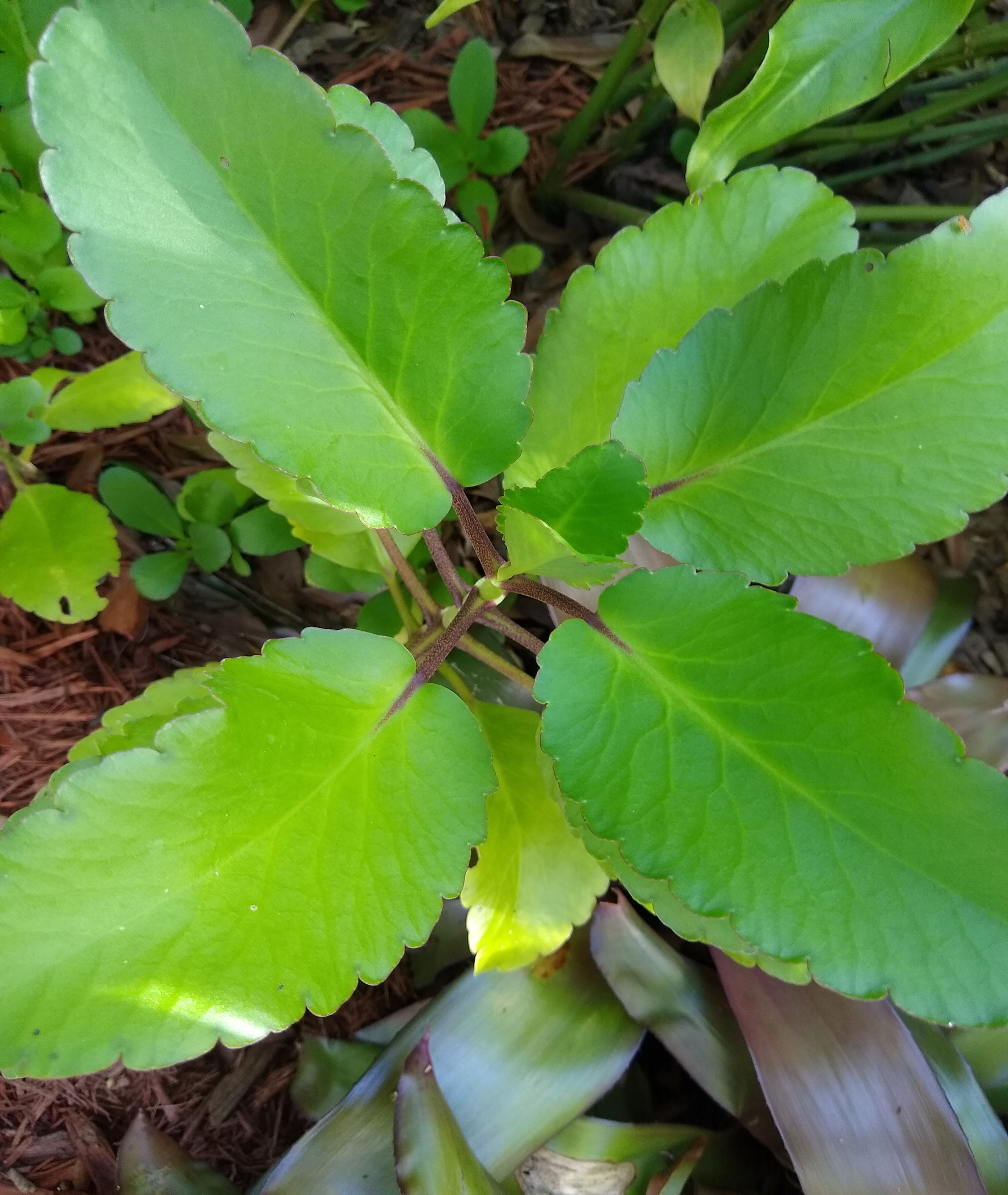
As we delve into the world of plants, we uncover a realm of wonder and fascination that goes far beyond what meets the eye. Plants, with their intricate roots, stems, leaves, and flowers, are not just stationary organisms in the soil – they are dynamic, resilient beings that play a vital role in the ecosystem. From the tiniest blade of grass to the towering redwood tree, each plant has its own story to tell, its own unique way of thriving in the soil.
One of the most enchanting aspects of plant life is their ability to adapt and survive in diverse environments. Whether they are growing in the scorching heat of the desert or the freezing cold of the tundra, plants have evolved ingenious strategies to cope with their surroundings. Some plants have developed deep taproots to access water in arid climates, while others have thick waxy leaves to prevent water loss in dry conditions. The sheer diversity of plant adaptations is a testament to the ingenuity of nature.
But plants are not just survivors – they are also masters of communication and cooperation. Through their roots, plants engage in complex underground networks that allow them to share nutrients, water, and even warning signals with neighboring plants. This underground wood-wide web connects plants in a web of symbiotic relationships, where each plant contributes to the well-being of the whole community. In this way, plants exemplify the power of collaboration and mutual support.
The exploration of plant life is not just a scientific endeavor – it is also a deeply enriching and joyful experience. As we immerse ourselves in the world of plants, we are captivated by their beauty, resilience, and diversity. From the delicate petals of a flower to the sturdy trunk of a tree, each plant is a work of art that inspires awe and wonder. The vibrant colors, intricate patterns, and unique structures of plants invite us to marvel at the beauty of the natural world.
Moreover, studying plants can also deepen our understanding of the interconnectedness of all living beings. Plants are not just isolated entities in the soil – they are integral members of a vast ecological web that sustains life on Earth. By exploring plant life, we gain insights into the complex relationships between organisms, the intricate balance of ecosystems, and the importance of biodiversity. In this sense, plants serve as ambassadors for the interconnectedness of all life forms.
In our fast-paced, technology-driven world, the simple act of exploring plant life can offer us a sense of grounding and connection to the natural world. Whether we are tending to a garden, hiking through a forest, or simply admiring a potted plant on our windowsill, plants have a way of reminding us of the beauty and wonder that surrounds us. They teach us patience, resilience, and the value of slow growth – qualities that are often overlooked in our modern society.
Ultimately, the joy of exploring plant life lies in the sense of wonder and discovery that it brings. By immersing ourselves in the world of plants, we can cultivate a deeper appreciation for the beauty of nature, the interconnectedness of all living beings, and the resilience of the natural world. So next time you take a walk in the park or tend to your houseplants, remember to pause, observe, and marvel at the fascinating lives of plants that thrive in the soil.
Growing Strong: Discovering the Secrets of Soil Success
Plants are incredible organisms that have adapted to thrive in all sorts of environments, from the depths of the rainforest to the peaks of the mountains. But no matter where they are found, one thing remains constant – the importance of soil in their growth and development. Soil is the foundation upon which all plant life is built, providing essential nutrients, stability, and support. In this article, we will take a closer look at the secrets of soil success and how plants are able to thrive in this vital medium.
One of the key factors in soil success is the composition of the soil itself. Different types of soil have different characteristics, such as texture, pH levels, and nutrient content. Plants have evolved to adapt to these different types of soil, with some species thriving in sandy soils while others prefer clay or loam. By understanding the composition of the soil in which they are planted, gardeners and farmers can better cater to the specific needs of their plants, ensuring that they have the best possible chance of success.
Another important aspect of soil success is the presence of beneficial microorganisms. Soil is teeming with life, from earthworms to bacteria to fungi, all of which play a crucial role in the health of the soil and the plants that grow in it. These microorganisms help to break down organic matter, releasing essential nutrients that plants can then absorb. They also help to improve soil structure, making it easier for plants to establish strong root systems. By fostering a healthy ecosystem of microorganisms in the soil, gardeners can create the ideal conditions for plant growth.
In addition to microorganisms, soil success also depends on the presence of organic matter. Organic matter, such as compost, manure, and plant debris, helps to improve soil fertility and structure. It provides a food source for microorganisms, which in turn release nutrients that plants can use. Organic matter also helps to retain moisture in the soil, reducing the need for frequent watering. By incorporating organic matter into the soil, gardeners can create a rich and fertile environment in which plants can thrive.
Water is another essential component of soil success. Plants rely on water for photosynthesis, nutrient uptake, and structural support. The amount of water in the soil can vary depending on factors such as rainfall, irrigation, and drainage. Too much water can lead to waterlogged soil, which can suffocate plant roots and promote the growth of harmful pathogens. Too little water, on the other hand, can cause plants to wilt and die. Finding the right balance of water in the soil is crucial for plant health and growth.
Nutrients are also crucial for soil success. Plants require a variety of nutrients, including nitrogen, phosphorus, potassium, and trace minerals, in order to grow and thrive. These nutrients can come from organic matter, fertilizers, or natural sources such as rock dust and seaweed. By testing the soil and adding the necessary nutrients, gardeners can ensure that their plants have everything they need to reach their full potential.
In conclusion, soil success is essential for the health and vitality of plants. By understanding the composition of the soil, fostering a healthy ecosystem of microorganisms, incorporating organic matter, maintaining proper water levels, and providing essential nutrients, gardeners can create the ideal conditions for plant growth. With the right care and attention, plants can thrive in even the most challenging environments, showing us just how resilient and adaptable these amazing organisms truly are. So let’s continue to nourish and cherish the soil, knowing that it is the foundation upon which all plant life depends.